Not all experts think it’s harmful…
Sulfoxaflor is an insecticide registered with the Environmental Protection Agency (EPA). Apparently, it does not pose any risk to human health, or wildlife, including pollinators.
The insecticide was first registered with the EPA in 2013 and has been proven effective to pests that are resistant to other growing agents like pyrethroid, neonicotinoid, and carbamate.
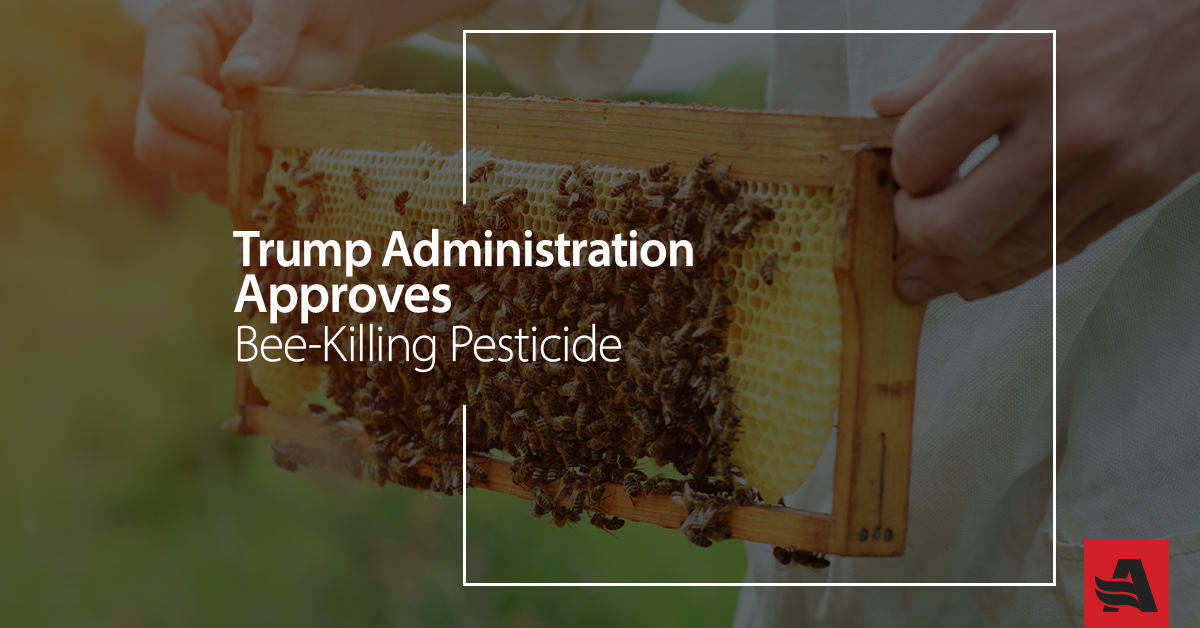
Pollinator protection efforts continue to be critical. Some experts are worried because studies have stated that Sulfoxaflor can reduce bumblebee reproduction.
Surveys have found that over the past winter, U.S. beekeepers lost over 40% of honeybee colonies due to insecticides. It’s the largest decline since 2003.
Sulfoxaflor Could be Advantageous for Crop Growers
For crop growers, it’s possible that 50% of profit losses due to pests could be alleviated by using Sulfoxaflor.
Sulfoxaflor is considered an environmentally effective growing tool because it dematerializes faster than its popular alternatives.
Currently, the most aggressive crop pests in the U.S. include plant bugs and aphids. Damage created by these pests have generated such significant financial loss that fourteen U.S. states requested emergency exemptions since the New Year.
In the past, Sulfoxaflor was approved for cotton and sorghum. This week, the Trump Administration approved Sulfoxaflor for use in growing corn, alfalfa, cacao, grains, soybeans, pineapple, citrus varieties, and more.
We’ll see what results in regards to the use of Sulfoxaflor with additional crop use in the U.S. The EPA believes that Sulfoxaflor is safe, but has also released an Environmental Hazards Statement for correct use to minimize potential exposure to pollinators.