Trading Lessons
When I started trading, I had no idea what I was doing. My “unique” strategy was to buy a stock and sell it a few weeks later — hopefully for a profit. I didn’t have any trading lessons and it was a HUGE problem!
I lost half of my small $500 account in two weeks and had no direction at all.
Fortunately, I quickly realized that strategy wouldn’t work for me. If I wanted to do better, I needed a different approach. I needed to put more structure in place so that I didn’t have to rely on dumb luck to make money.
While searching for a solution online, I discovered Tim Sykes. His story and strategy were fascinating to me, so I quickly signed up to his “Silver” package to learn more.
From there, I finally built the structure I needed. I learned about the predictable world of pump and dumps, and just how dirty and manipulated the market really is. Even better, I learned how predictable and repetitive this made the patterns.
I started with only $1,500 of my personal money. At this point, my profits have reached some staggering milestones.
Here, I’ll share with you 20 of the top lessons I’ve learned during my journey. I hope you can relate to and learn from them. Don’t make the same mistakes that I made! Use these tips to build a smarter trading strategy.

My Top 20 Trading Lessons
1. Dream big — but have patience.
When I got started, my BIG dream was to have freedom and live my life on my own terms. To be honest, I thought it would be easier and happen much faster than it did.
The reality is that trading is a marathon, not a sprint. Great success takes time. So you have to be patient and you have to work hard. I definitely put in WAY more work than I would if I’d just settled for a typical full-time job.
Consistent results come first from making mistakes and through your own growth as a trader. Don’t expect overnight success.
2. It’s OK to start small.
Trading is a profession with a long learning curve. You have to figure out what works and what doesn’t.
In that process, you’ll quickly realize that losses are indeed part of the game. So it’s better to start trading small to help keep your losses small while you find which patterns and strategies work for you.
Think of this time as your opportunity to experiment. This is how you’ll learn to identify patterns, try out strategies, filter the noise, and get used to trading tools and execution.
There are tons of things that can go wrong. And there’s nothing wrong playing it safe — especially at the beginning.
Later, as you build confidence and gain experience, you’ll have chances for larger plays. Don’t rush the process!
3. Keep detailed notes and spreadsheets on your testing.
It’s important to keep a record of every strategy you test, including your own trades and ideas.
I personally use spreadsheets to record data of different patterns I want to analyze. I look to find a statistical edge in the data. I explain my methodology for doing that in a blog post I wrote a while ago.

4. Be committed to your goals.
You have to set goals and then work hard to accomplish them. That requires discipline and a lot of focus.
But remember … trading goals should be more related to the process than making specific amounts of money per day, week, or any given time period.
Rather than focusing on the money, focus on making fewer mistakes. Focus on better trading habits.
After a rough patch of stubborn large losses, I changed my goal to make fewer and fewer stubborn trades every month. It took me nine months to work through this process. But I diligently tracked every step and eventually conquered my stubborn ways.
5. Milestones don’t matter.
Sure, milestones feel good. They can be a nice round number to reinforce that you’re trading well. But the important thing is not the milestone itself — it’s the process that helped you to accomplish it.
When I hit my first big milestone, it wasn’t some huge exciting trade that made it happen. It was dozens of other trades EXACTLY like the one that finally pushed me past that number.
Bottom line: Trade well and trade smart.
6. Cut your losses intelligently.
Of course losses are part of the trading game. But the last thing you want to do is to constantly chip away at your account by taking dumb ones.
I like to think I cut my losses intelligently. That means setting my risk levels off of a specific key point on the chart and being prepared to stop out if that level is breached.
I give the pattern the chance to develop but if it hits my stop, I cut the trade. Not because I’m down some preconceived percentage, not because I’m “scared.” I do it because the chart is broken.
7. Don’t run and hide from your losses.
Learn from every single loss. Sometimes patterns don’t work, and that’s okay.
But did YOU do something wrong? Did you get scared out? Did you enter too soon or too late? Did you respect your stop, or dig in and make the loss worse?
I just told you how critical it is to keep a record of your trades. When you analyze and learn from your mistakes, you can learn how you can improve.
It’s far more important than anything you can learn from your gains … even if those are more fun to focus on.
8. Don’t be afraid to bet big on perfect setups.
Good trading is about playing with the odds in your favor. So when a perfect setup appears, you want to be prepared to play it big.
When you start, you usually play safe, taking small positions. But after you gain some experience and build your confidence, you can increase the size of your position … Of course, “big” is relative.
Never trade more than you can afford to lose, and always stay within the limits of your own trading plan.
Sometimes even the best setups don’t work, so don’t risk catastrophe!
9. Remember that you don’t have to trade every day.
You’ve probably heard the rumor that around 90% or more of traders lose money in the market.
There are a lot of reasons why that’s possibly true … but a key reason is that traders don’t play the best patterns.
Your goal as a trader is to find and execute only the patterns that best suit your trading style. The ones that truly meet your criteria. Those patterns might not appear every day. If they don’t, the solution is simple: don’t trade. Wait until your perfect setup comes.
Be patient. It will come eventually. Wait for that pattern and play it well.
10. Don’t focus on your profits/losses on any one play. Focus on execution.
When we enter a trade, we all want to make money. But your focus should be on how you execute rather than the potential monetary end result.
Some of my best trades are losses! Really!
You must have a trading plan. This should include an ideal entry point and an established stop-loss point. Your goal and focus should be to execute your plan diligently.
Even if a good pattern doesn’t develop well and you end up losing money, you can still limit losses by sticking to your plan.
11. Understand that patterns repeat themselves.
Be obsessed with studying patterns. What was the catalyst? What time of day did they tend to occur? How do they behave?
Patterns potentially repeat themselves over and over again. The more you know them, the better you’ll be prepared to trade them.
12. Don’t leverage your trades.
Trade with your own money and play with your own trading capital. Don’t leverage your trades.
I started trading with only $1,500 of my own money. I limited the size of my positions based on how much money I had. I NEVER went over.
Later, I gradually increased the size of my trades, but always limited my position size to my own capital or less. Leveraging huge on one trade is one of the easiest ways to blow up if the trade goes wrong.
13. Trade the most liquid penny stocks.
Liquidity is a crucial metric to consider when selecting a trade. If the stock isn’t liquid enough, it can be much tougher to enter and exit the trade — and that’s risky. Avoid that risk.
Sometimes you’ll see a good pattern that doesn’t comply with your liquidity criteria. Avoid the temptation! Even the best trade can turn into a nightmare if you can’t exit your position.

14. Trade penny stocks near the market open and market close.
The two most active trading times of the day are right after the market opens and right before it closes. These are the times when you’ll see more volatility and more opportunities to trade.
So be prepared: Arm yourself with sturdy trading plans and be ready to act!
15. Learn how to short sell penny stocks.
Many will tell you that’s not possible to short sell penny stocks. Some even will tell you that it’s illegal. That’s not true! If you can find the right patterns, short selling penny stocks could be right for you.
Be sure to find a good broker who’s willing to lend shares of penny stocks (without gouging you on fees) if you want to potentially take advantage of this phenomenon.
16. Learn from both gains and losses.
You need to analyze every trade. We already talked about analyzing your losses, but you can learn plenty from your gains as well. One thing I always look for is whether I’m taking profits too soon or not on a specific setup!
Don’t limit your learning to only your own gains and losses. Learn from others too, it can speed up your learning curve dramatically.
I learned one of my most successful early strategies directly from Michael Goode — buying new promotions! He was always NAILING those plays. So I meticulously studied what he did so that I could try to replicate it on my own.
I personally have a DVD with more than 16 hours of instruction and dozen of live trades, so that you can learn from my trading progression, too.
Regardless of who you choose to learn from, make a commitment to always learn from both gains and losses.
17. Never give up on yourself.
There’ll be times when you wonder if trading is something you can really do for a living.
It’s a common feeling for traders — the market’s volatility can wreak havoc on your emotions. Remember: You can always take a break from trading to reconsider your goals, strategy, and how to move forward.
I’ve been forced into many breaks after rough patches in the market, but instead of hanging my head over huge losses and quitting …
… I studied the hell out of what I did wrong. I figured out how to fix my mistakes and come back stronger once my head cleared.
18. Enjoy the Journey.
As I mentioned earlier, trading is a marathon, not a sprint. Pace yourself. You need discipline. You have to build endurance. And you also want to have fun.
Trading can be exhilarating. There’s nothing like the feeling after a trade goes your way.
Of course, it won’t only be winning. You’ll experience hard times, too. But if you can develop a passion for the process of trading, it can serve you well for your entire career.
19. Stay humble.
Everything can change with a single trade. So always stay humble. Never forget to stay diligent and responsible as a trader. Some of my largest losses came after periods of great success when I start to get cocky.
Stay true to yourself. And don’t get a big head when things go your way. That’s a sure-fire way to invite catastrophe!
20. Don’t try to do it alone.
So you know the importance of studying, learning, working hard, and giving 110% toward achieving this goal … but what you may not be prepared for is how isolating trading can be. Sitting in front of a screen all day alone with nothing but your own thoughts can make for a harsh and difficult learning environment.
If there’s one thing that can help speed up your development as a trader, it’s finding the right trading community, or even a specific trading buddy or two.
While the discipline and consistency required to build the level of success I’ve attained are my own, I wouldn’t be here without help learning the basics.
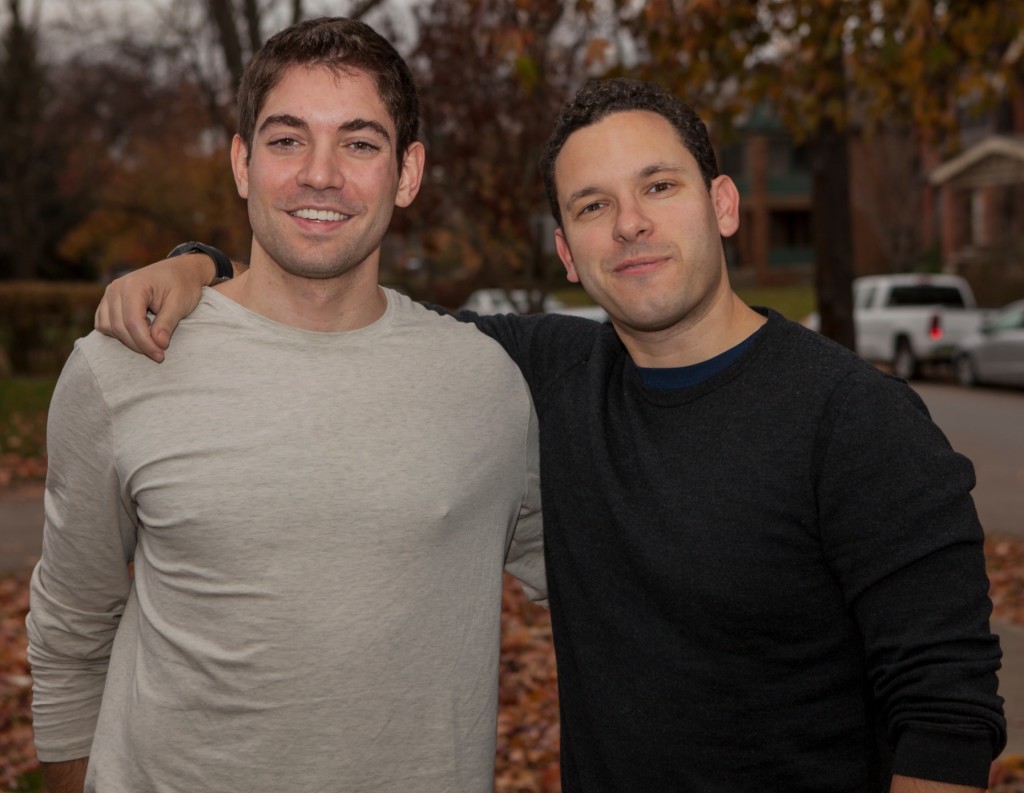
Tim Sykes and Michael Goode started as my teachers, and their experiences and lessons definitely helped my learning curve and setting me down the right path. But more importantly, I’ve gotten to know them well over the years, and I’m now proud to call both of them my friends.
Don’t tackle trading alone if you can help it. It’s much more fulfilling and rewarding to be surrounded by others who are working toward the same goals.