Chinese telecom giant Huawei is working off of a limited reprieve from the U.S. Department of Commerce Bureau of Industry and Security (BIS) in the form of a “temporary general license” that allows limited operations to serve existing customers.
However, for a while now, some U.S. agencies had concerns that China could use Huawei to spy on other nations. Then President Donald Trump’s sudden blitzkrieg trade smackdown provided an opportunity to kick Huawei out of the U.S. market.
When Trump recently signed an executive order to ban Huawei, American stock indices plummeted — and many traders and investors started sweating.
The temporary concession by the U.S. Department of Commerce has brought markets back into focus a bit, but according to many analysts, what we’re looking at is a wider context in the form of a China-U.S. trade war that could shake — and even topple — global markets.
The move against Huawei was only one part of that conflict that mushroomed over the early weeks of this spring.
Billions of dollars in new tariffs further pad the bill for U.S. consumers, and that’s making American farmers, manufacturers and small businesses reliant on Chinese trade nervous.
Meanwhile, there are hidden dangers for Huawei in the weeks ahead: Notably, since the U.S. has been able to strong-arm chip designer ARM into terminating its relationship with Huawei, some experts feel that the company could shortly go belly-up.
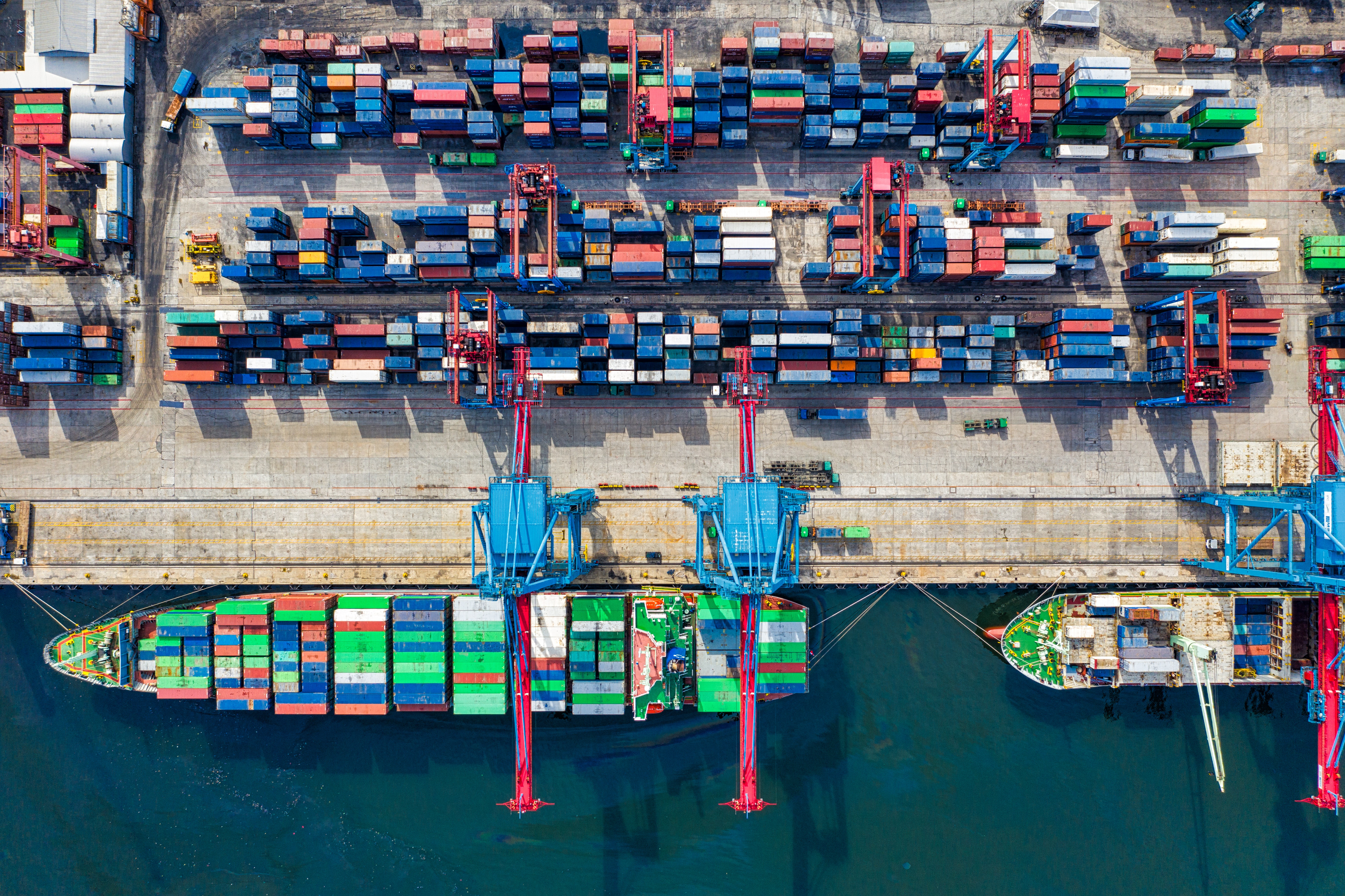
The bigger question, though, is whether world markets will continue to be dragged into a morass of negativity because of the risks associated with a U.S./China trade war.
Just a couple of weeks ago, diplomats from both sides assured frightened investors that table talks were due to bring the standoff to a resolution. Now, with so many mixed signals shaking the markets, it’s not so clear.
Both the S&P 500 and DJIA stand near their lowest marks for an entire month, and red is the color that many traders are looking at as they parse index signals … and that’s before the actual price effects of the new tariffs have even taken hold.
Regardless of what happens, Huawei will remain a bellwether in the story of a trade conflagration largely spurred by a couple of errant presidential tweets on a Sunday evening.
The action against the Chinese telecom player makes the idea of trade bellicosity concrete. It incarnates the desire to “punish” the other side for some ill-defined wrongdoings — a concept that the White House is making much use of.
It seems the markets don’t like this approach … which puts investors and traders in limbo until the next market swing.