It’s 9:25 a.m. Eastern. The markets open in five minutes.
You’ve eaten a good breakfast and you’re on your second cup of hot caffeine.
You’re sitting in front of your computer, ready to have a great day trading.
Then, boom … what is this jumbled mess? … what the heck is going on?!
The NASDAQ and New York Stock Exchange (NYSE) list around 4,000 stocks between them both. And there are around 15,000 companies traded over the counter (OTC).
Five minutes before the opening bell rings isn’t the time to start screening nearly 20,000 companies for trading opportunities. If you wait that long, you’ve already lost.
That’s precisely why you need a stock watchlist.
What Is a Stock Watchlist?
A stock watchlist is exactly what it sounds like: a list of stocks you check regularly for trading opportunities.
You monitor them on a regular basis, waiting for them to meet your set-up criteria for a particular kind of trade.
If you don’t have a watchlist, you’re essentially blindly picking stocks. You might as well just take your money to the nearest slot machine and see how you fare. That’s just not smart … build a watchlist instead.
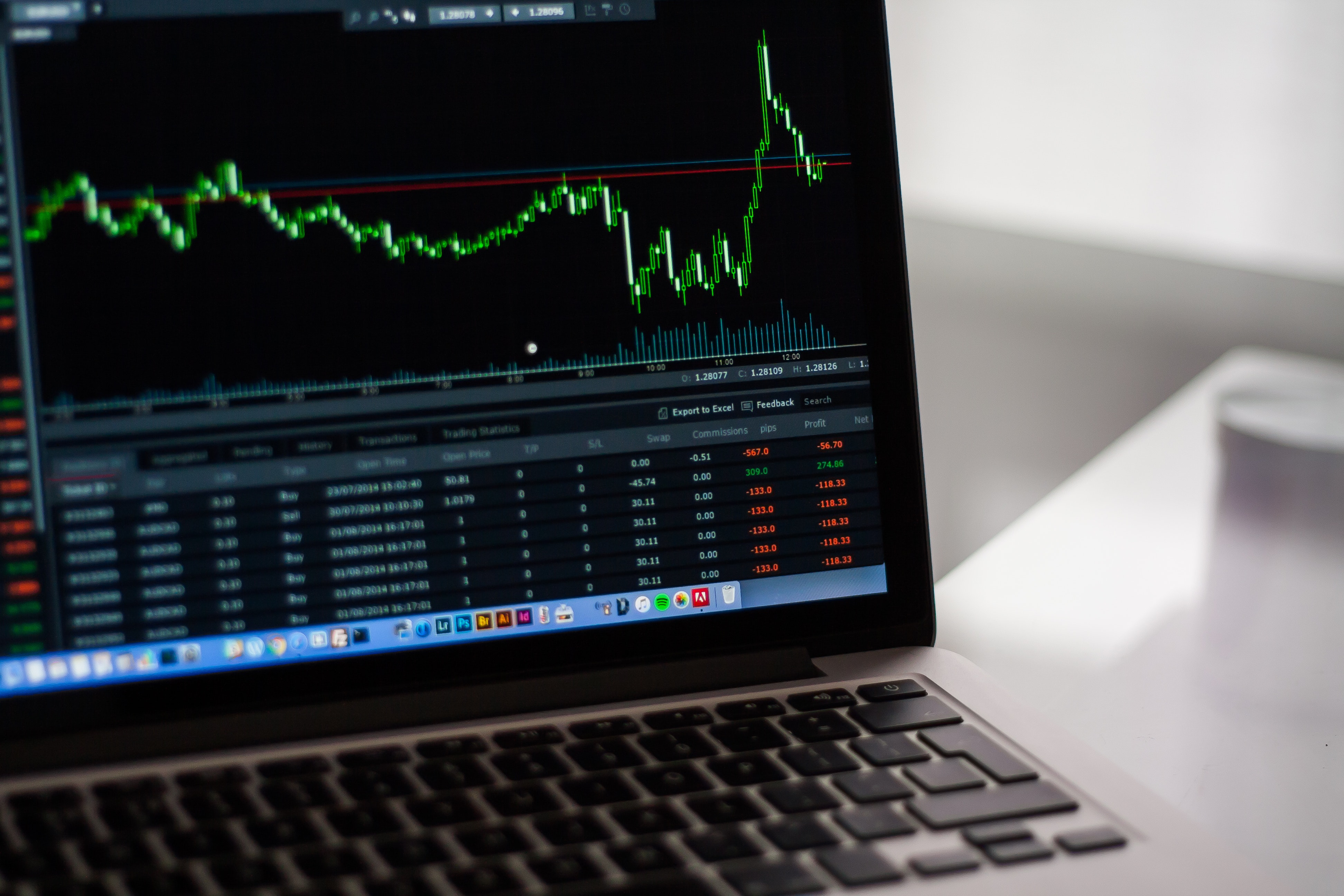
Why Having a Watchlist Is So Important
Fact: Consistently successful trading depends on discipline.
If you’re in front of your laptop itching to make money but you don’t have a plan and the discipline to stick to it, you’re vulnerable to just buying any stock that catches your attention, just to take a shot at making a profit.
Do that, and you’ll soon be shot down.
You need to make building, checking, and pruning your watchlist an essential part of your daily routine. Period. It’s critical.
Perform Your Stock Research
Everything starts with getting the facts. With stock research, you have to be especially diligent.
First, you need to screen for the stocks that meet your criteria. Then you perform stock analysis on them. To learn about stock analysis, read this post that I wrote about it.
Don’t be surprised when you notice that many stocks won’t meet your criteria. That’s ok. Just keep going and find the ones that do.
You’ll find many stocks that look promising, but they’re not yet ready — that makes them perfect candidates for your watchlist.
When you find a stock that’s ready to buy (or sell), buy (or sell) it.
When you find a stock that looks good, but it’s not ready to trade, add it to your watchlist. That’s what the list is for!

What To Look For
After the markets close for the day, look at the stocks that have gone up on a percentage basis the most from the day before. They’re moving. That’s what you look for as a trader: movement.
Next, look for stocks with chart breakouts or good news. These are stocks that often keep going. We like those.
When it comes to good news, it often continues as more traders and investors hear the news and want to take advantage of it. The same goes for stocks that have broken out; that indicates strength that usually doesn’t fizzle out in just one day.
The best way to find these stocks: Look at the highest gainers for the day.
Also look for companies that have reported much higher than expected earnings. Businesses run on their net earnings, so when they beat analysts’ expectations, that’s the best news a company can have. That’s watchlist material, my friend.
Another positive sign to watch for: contract winners. These are smaller firms who’ve signed a contract with a large company.
News about contract winners is usually spread via press release. Essentially, contracts can give the market a concrete reason to believe the small company might have higher earnings in the future.

Never Overlook These Factors
While good news is, well, good, you can’t always expect good news to push stock prices higher.
Like everything in stock trading, nothing’s guaranteed. So follow this guideline: Look for news that continues to push up the price for three to five days or longer.
Also, when there’s good news — especially earnings announcements — you want to look at the price action. If the news doesn’t move the price, that indicates the good news was already priced into the stock’s market value. That can take a “wow” watchlist stock to just “meh.”
Last but not least, watch the stock’s trading volume. If it’s too low, stay away. You want other traders to drive up the price for you, and they can’t do that if they’re not trading the stock. And when you want to sell, you need someone to sell it to at a profitable price.
When to Take Stocks Off Your Watchlist
If a stock falls 50% or so in one day, that’s obviously a bad sign. If I strongly believe the stock will rise again, I might buy it while it’s low. But if it looks like it’s going to keep falling, I take it off the watchlist.
Then there are flat stocks. Boring! Remember, as a trader, you need movement to profit. So if a stock’s price remains flat for a few days, kick it off your watchlist. Adios!

Your 3-Step Daily Watchlist Process
Bottom line: You must keep your watchlist well groomed. Make a daily habit of keeping and reviewing your watchlist. It’s an ongoing process. Your list should be constantly evolving.
- Start with the big movers. Check out stocks that zoomed up the most over yesterday’s closing price. Check out their earnings and the news.
- Review yesterday’s watchlist. You might find stocks that still look good but just haven’t broken out yet. Or maybe you’ll ditch them all. Either way, you’re keeping your list tight and current.
- Analyze everything. Look for stocks that spiked on earnings or contract announcements. Toss the ones that didn’t spike despite good news.
Lather, rinse, repeat. Do this every day. That’s how you maintain a solid watchlist.
While you definitely need to learn how to do all of this yourself, there are also resources to help you with the process …
Not long ago, traders had to visit 10-15 websites to keep up with all the most in-play stocks worthy of watchlisting. But now, thanks to all-in-one platforms like StocksToTrade, you can not only build your watchlist faster — you can also have watchlists created for you.
Supertrader Tim Sykes wanted a killer all-in-one platform for his own trading, so he and his team created StocksToTrade to be the “Swiss army knife” of trading software.
I’m StockToTrade’s lead trainer, so you’ll find my watchlists there. You can also sign up for Tim Sykes’ free weekly watchlist here. These killer lists are always well researched, and you might even see Tim make winning watchlist trades that week on his site, Profit.ly.
What’s Next?
A well-maintained watchlist can — and should — be a prime asset for you. That’s your personal source of potential trades to profit from today, tomorrow, next week or next month.
You can build your own watchlist or follow other watchlists. I recommend that you do both.
Doing it yourself can potentially make you a much stronger trader. After all, your goal is to become an independent trader capable of making your own smart moves.
Checking out other successful traders’ watchlists can also be a great learning experience for you. Since nobody can follow all 20,000 stocks by themselves, getting ideas from other traders — particularly those with long-term success in the markets — can sometimes prove helpful.
Which stocks should you move on? Preparation is key. If you want to be prepared, let your watchlist be your guide.
Do you keep a stock watchlist? What are your do’s and don’ts? Share your watchlist tips here.